An independent guide
Luxury tanning and sun care, explained with care
Clear, sourced guides to spray tans, self tanners, tanning safety, red light therapy and spa rituals you can enjoy at home.
What we cover
Everything you need for a healthy-looking glow
01
Spray tanning
How sunless color develops, how to prepare and what to ask for during a session.
02
UV tanning and safety
What health agencies say about tanning beds, base tans and your skin type.
03
Red light therapy
An honest look at how it is thought to work and how strong the evidence is.
04
Skincare and spa
Self tanners, aftercare and restorative rituals to enjoy at home.
After your tan
Make your glow last longer
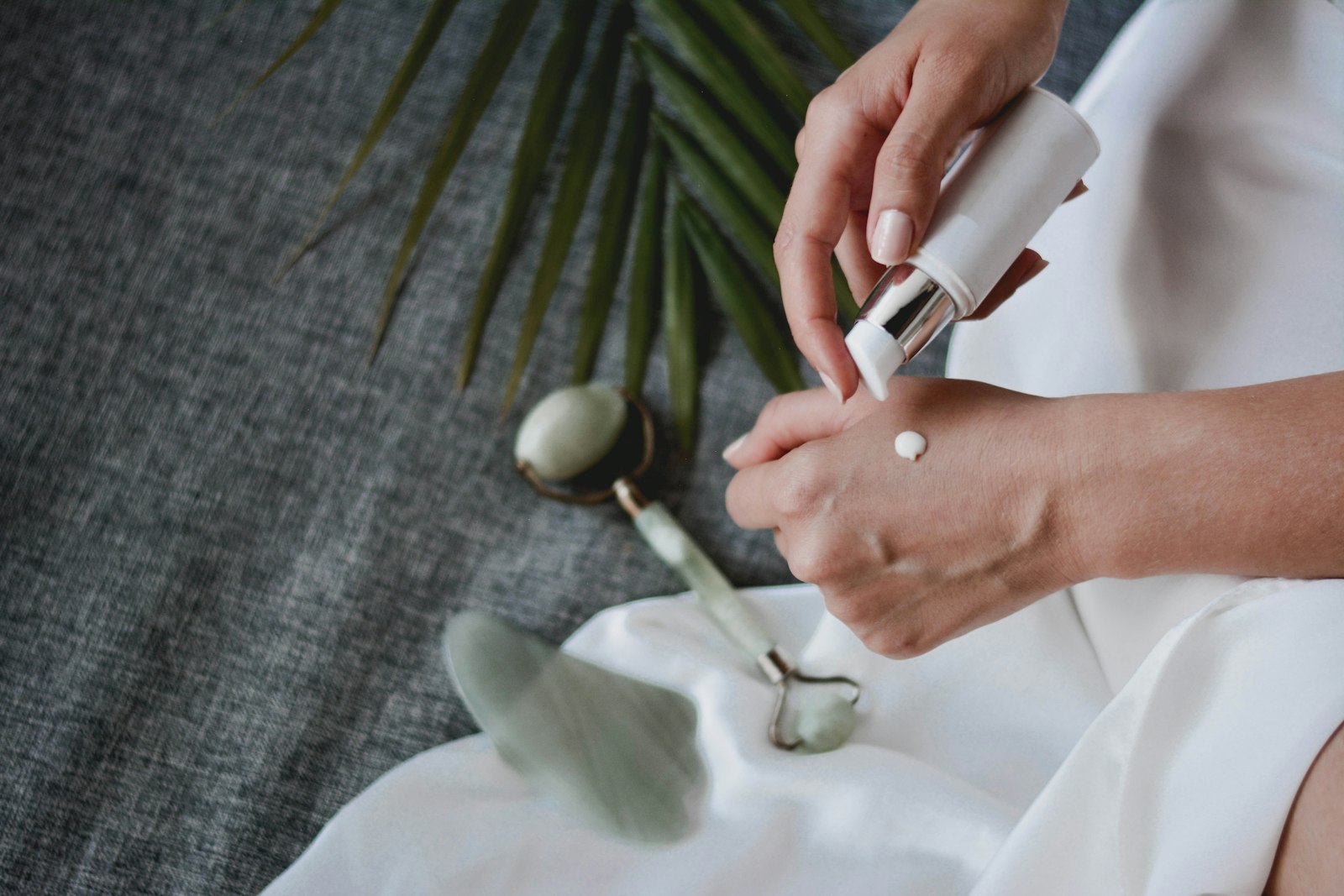
A sunless tan lives in the outermost layer of your skin, so anything that speeds up shedding shortens its life. A few gentle habits keep the color even as it fades.
- Moisturize daily, while skin is still slightly damp
- Choose lukewarm showers and pat your skin dry
- Pause scrubs and exfoliating acids until you want a fresh tan
From the Journal
Latest guides
-
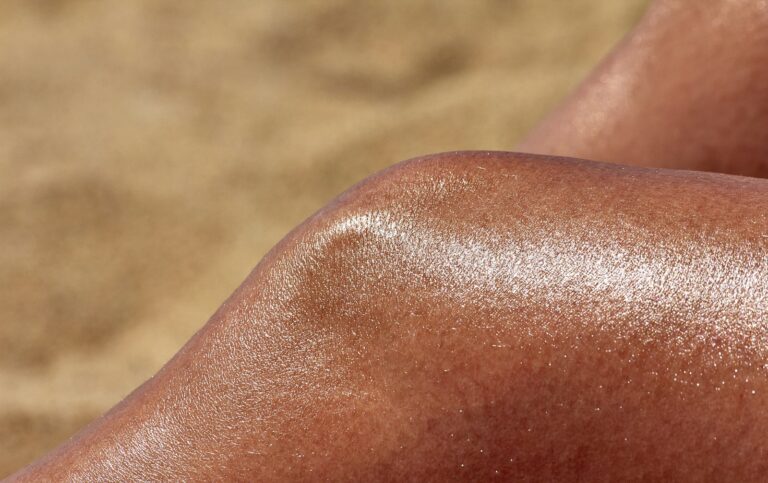
How Spray Tanning Works: A Plain-English Guide to DHA
How DHA creates a sunless tan, why it takes hours to develop and a week to fade, and what the FDA says about spray…
-
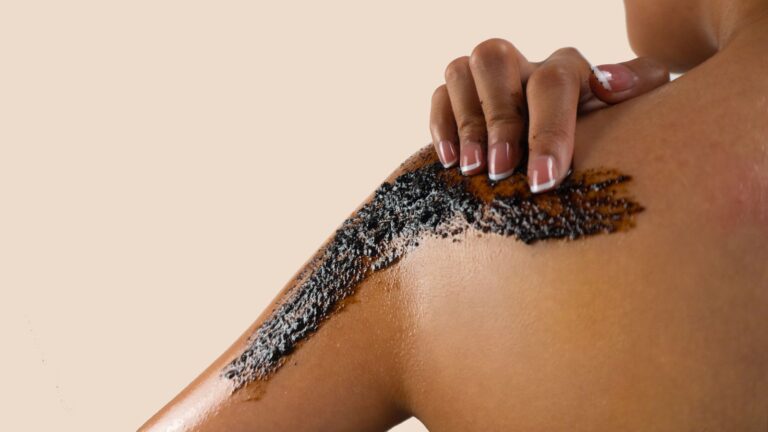
Preparing for a Spray Tan: A Simple Checklist
What to do one or two days before, on the day, during and after a spray tan for smooth, even color.
-

What to Know Before Using a Tanning Bed
What IARC and the FDA say about tanning beds, why a base tan offers little protection, and questions to ask yourself first.
-
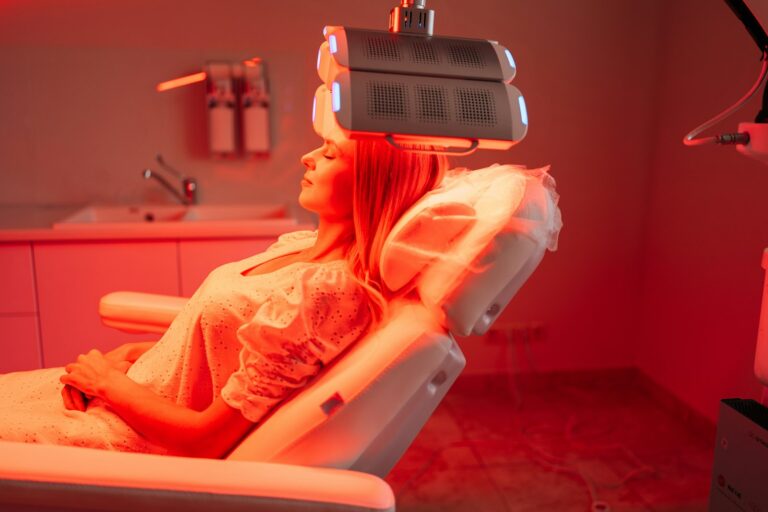
Red Light Therapy: What the Research Says So Far
What red light therapy is, how it is thought to work, how strong the evidence is and how to use it safely.
-
Lotions, Mousses, Drops and Wipes: Choosing a Self-Tanner
Compare self-tanner formats, learn application tips that work for all of them, and find out why tanning pills are best avoided.
-
Making a Tan Last: Aftercare Habits That Help
Simple aftercare habits that help a sunless tan last longer and fade evenly, plus the sunscreen basics dermatologists recommend.
Sun care comes first
A tan is not sun protection
“This product does not contain a sunscreen and does not protect against sunburn.”
That is part of the warning the FDA requires on tanning products without sunscreen. Whatever your glow comes from, keep up your everyday sun care.
Group 1
How the International Agency for Research on Cancer classifies UV tanning devices: carcinogenic to humans.
SPF 2 to 4
The protection a tan provides, according to the FDA. The recommended minimum is SPF 15.
SPF 30+
What the American Academy of Dermatology recommends, in a broad-spectrum, water-resistant formula.
Under 18
The FDA requires sunlamp products to warn that they should not be used by anyone under this age.
Good to know
Questions, answered
Short, sourced answers to the things people ask most about spray tans, base tans and red light.
How long does a spray tan last?
Usually around a week. The color sits in the outermost layer of skin and fades as those cells are shed.
Will a base tan protect me on vacation?
Very little. The FDA says tanned skin provides a sun protection factor of only about 2 to 4.
Will red light therapy give me a tan?
No. Red light is visible light, not ultraviolet, and it does not tan the skin.
Can I book a treatment here?
No. GlowLuxurySunSpa is an independent editorial site. We do not offer treatments, bookings or products.
About us
Independent by design
We are not a salon, we do not sell products and we do not take sponsorships. Every health statement we make links to its source, and every photograph is credited.