A glow should never cost you your skin. These are the key safety points from public health agencies, gathered in one place, with links to our full guides.
UV tanning
- The International Agency for Research on Cancer classifies UV-emitting tanning devices as carcinogenic to humans, its highest category.
- The FDA lists skin cancer, skin burns, premature skin aging and eye damage among the risks of sunlamp products.
- The FDA requires sunlamp products to carry a warning that they should not be used on persons under 18.
- A base tan offers little protection: the FDA says tanned skin provides an SPF of only about 2 to 4.
Read more: What to Know Before Using a Tanning Bed
Sunless and spray tanning
- The FDA lists DHA as a color additive for external use only.
- It should not be inhaled, ingested or applied to the lips, nose or the area around the eyes.
- Ask for eye, lip and nose protection during a spray session, and avoid breathing in the mist.
- A sunless tan does not protect against sunburn.
Read more: How Spray Tanning Works
Tanning pills
The FDA states that tanning pills are not FDA approved and reports harms linked to canthaxanthin, an ingredient found in some of them. Read more in Choosing a Self-Tanner.
Everyday sun protection
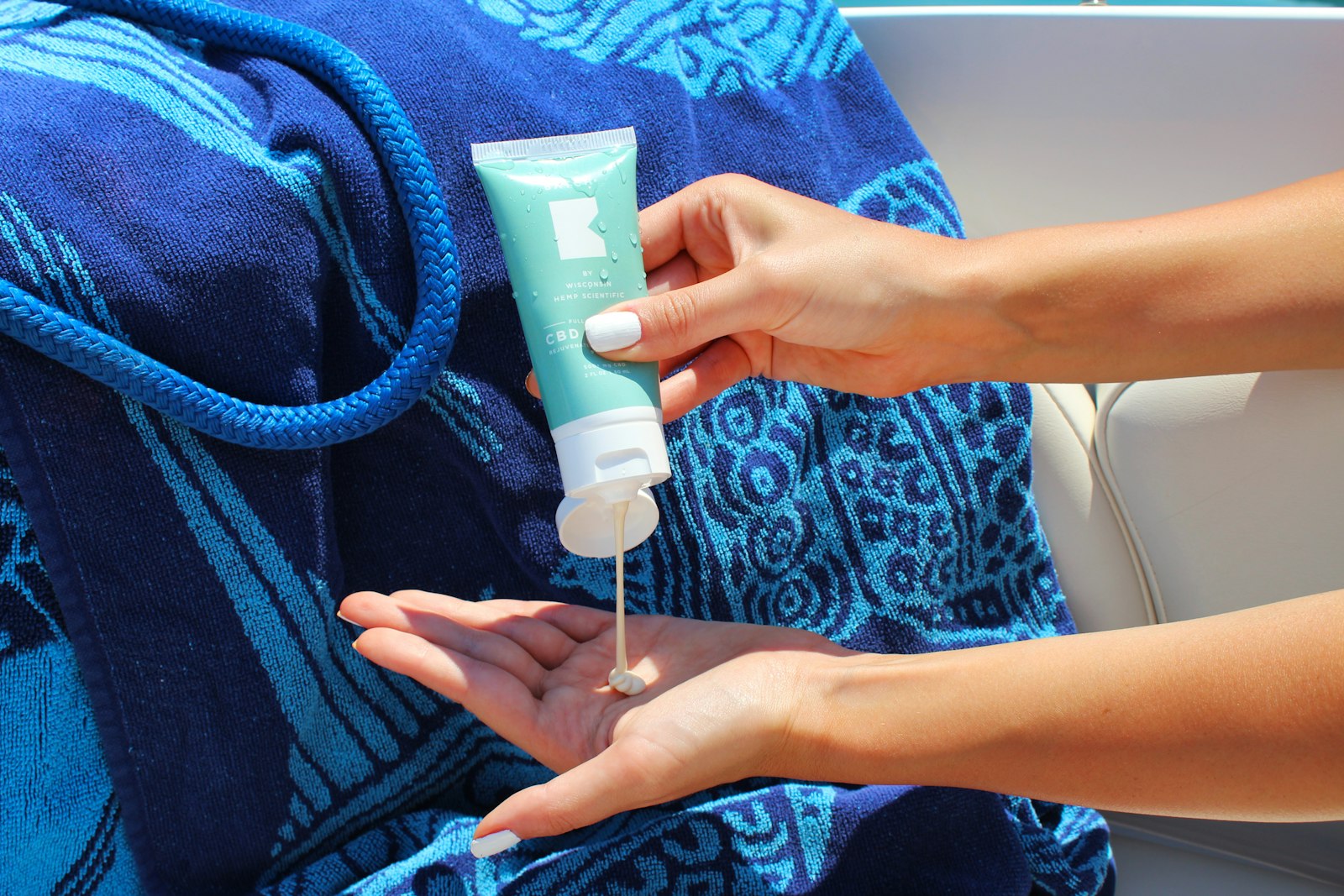
The American Academy of Dermatology recommends broad-spectrum, water-resistant sunscreen with SPF 30 or higher, reapplied about every two hours or after swimming or sweating. It also recommends seeking shade and wearing protective clothing, a wide-brimmed hat and UV-blocking sunglasses.
Read more: Making a Tan Last and Understanding Your Skin Type
Sources
- International Agency for Research on Cancer: Sunbeds and UV radiation
- U.S. Food and Drug Administration: Sunlamps and Sunlamp Products
- U.S. Food and Drug Administration: The Risks of Tanning
- U.S. Food and Drug Administration: Sunless Tanners and Bronzers
- U.S. Food and Drug Administration: Tanning Pills
- American Academy of Dermatology: Sunscreen FAQs